Senso-ji Ki & Breath Walk
A quiet morning at Tokyo's oldest temple, before the crowds. Walk Senso-ji and Asakusa Shrine with a guide, then learn ki and breath, the Japanese practice called KIKOU (qigong), from a Japanese teacher, Shinkuu.
See the mornings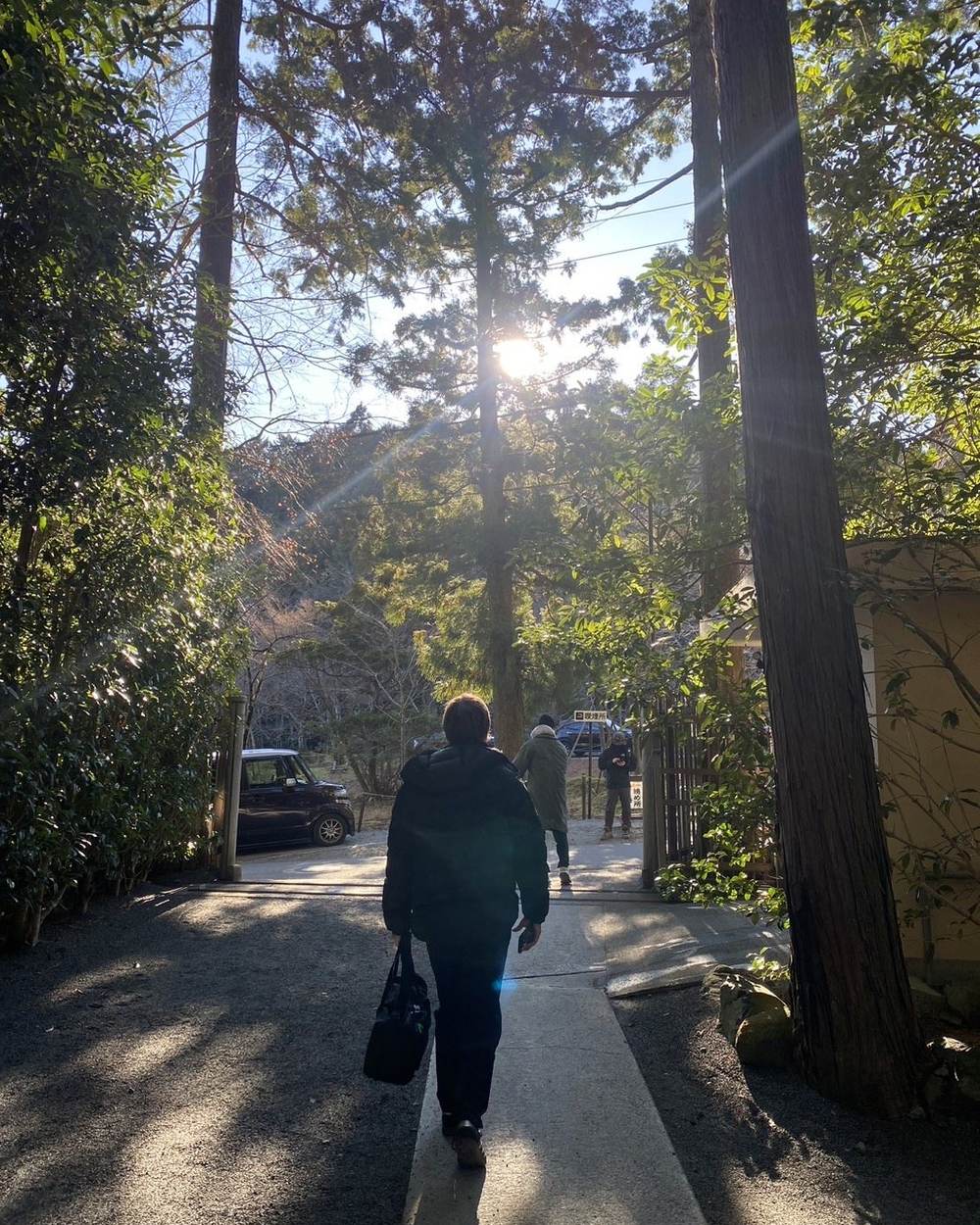
- Where
- Asakusa, Tokyo仮Senso-ji Temple and Asakusa Shrine
- Length
- About 100 minutes仮Temple walk, KIKOU, tea
- Price
- ¥9,800 per person仮About US$65, tax included
- Group
- Up to 6 guests仮Held in English, no experience needed
What is the Senso-ji Ki & Breath Walk?
The Senso-ji Ki & Breath Walk is a small-group morning in Asakusa, Tokyo. A guide takes you through Senso-ji Temple and Asakusa Shrine, with temple and shrine etiquette and tips on goshuin and omamori. Then KIKOU teacher Shinkuu leads a beginner class in ki and breath, known outside Japan as qigong. It lasts about 100 minutes, is held in English for up to six guests, and is hosted by Senbatsu Inc.
浅草寺Senso-ji, before the city wakes
Senso-ji is Tokyo's oldest temple, and the busiest. Early in the morning, before the shops on the Nakamise approach open, the grounds belong to people who come to pray, sweep and walk.
Its formal name, Kinryu-zan, means Golden Dragon Mountain. When Edo grew into a capital, Senso-ji stood to the northeast of Edo Castle, the direction long called kimon, the demon gate, and in 1590 Tokugawa Ieyasu named it a temple of prayer for his house.
The walk goes slowly. Your guide explains what you are looking at, shows you how to bow, where to rinse your hands and how to ask for a goshuin, and stops to breathe where the old stories are set.
- 7:30 a.m.仮Meet near Asakusa Station. The exact spot comes with your booking confirmation.
- About 40 minTemple and shrine walk: Kaminarimon, the Nakamise approach, Senso-ji's main hall and Asakusa Shrine, with guided breaths along the way.
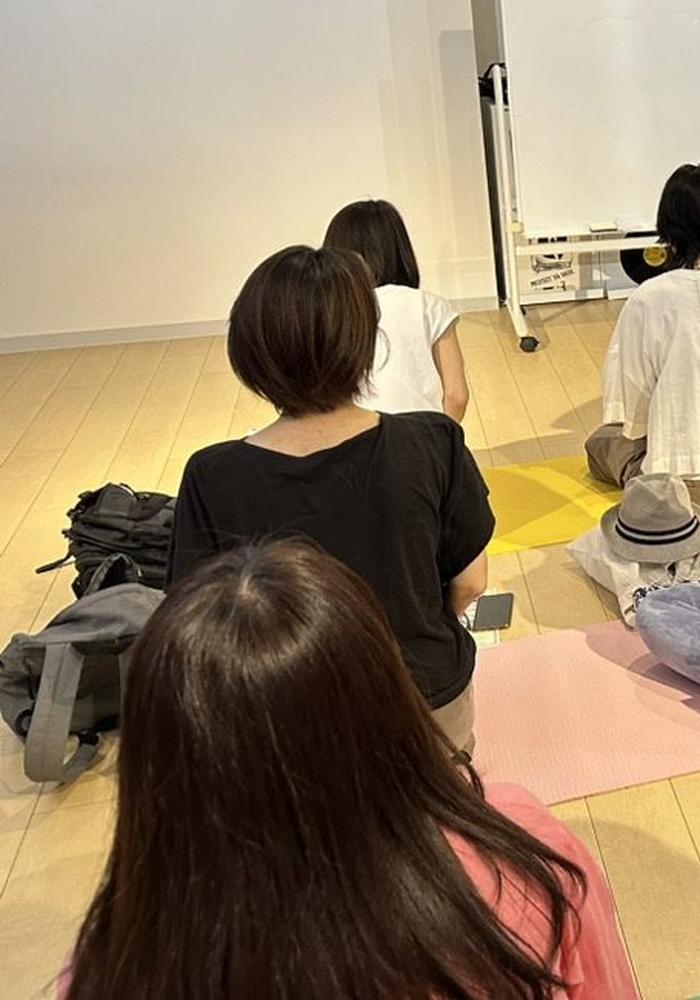
- About 35 minKIKOU, indoors: posture, breath, slow movement, and the "ki ball", palms turned toward each other until a soft, springy resistance appears between them.
- About 15 minTea, questions, and a short breathing practice to take home.
道順・会場(室内で気功をする場所)・歩く距離は仮。誰が歩きを案内するか、シンクウさんが最初から歩くかも未定。
気功Ki and breath, with a Japanese teacher
KIKOU is the Japanese word for qigong: breath, posture and slow movement, practiced widely in Japan. Here it is taught for complete beginners. No experience, special clothes or beliefs are needed.
Open
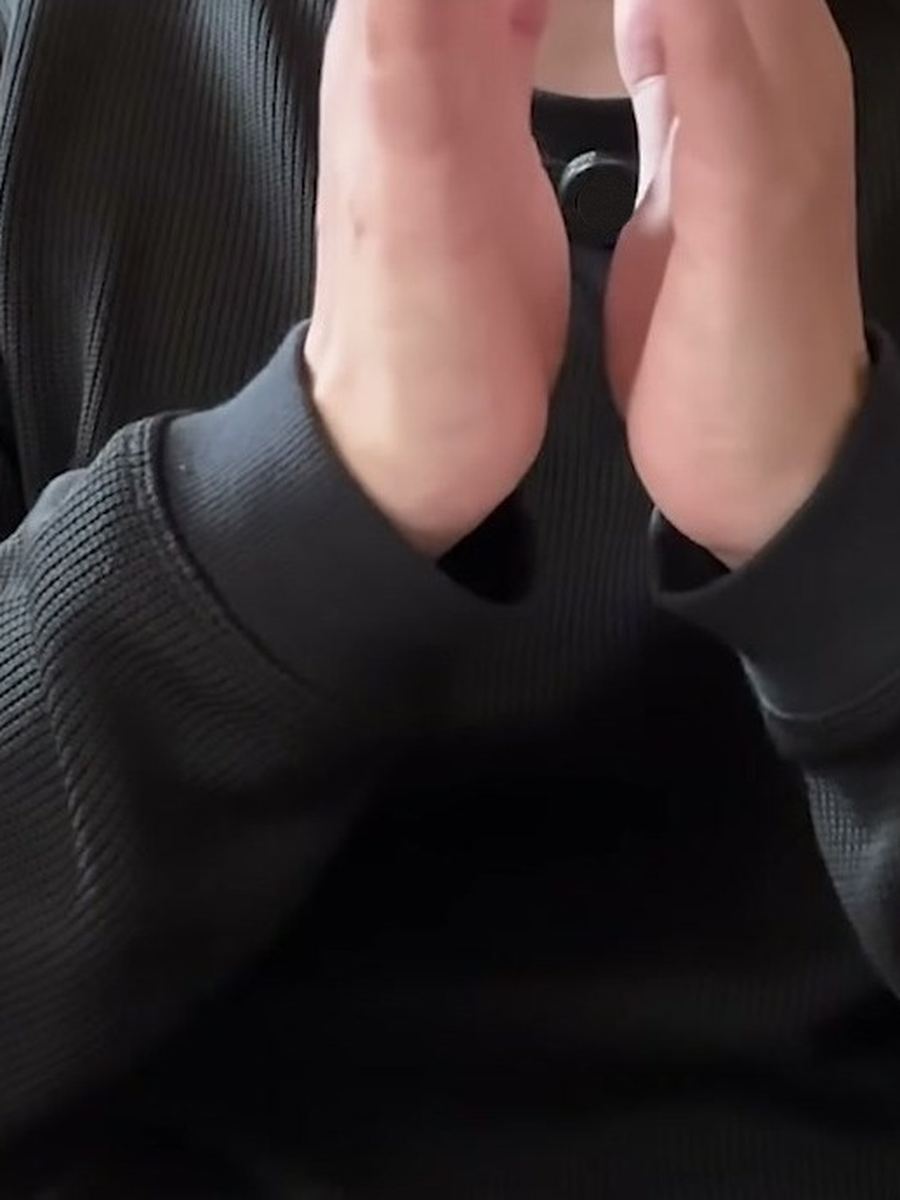
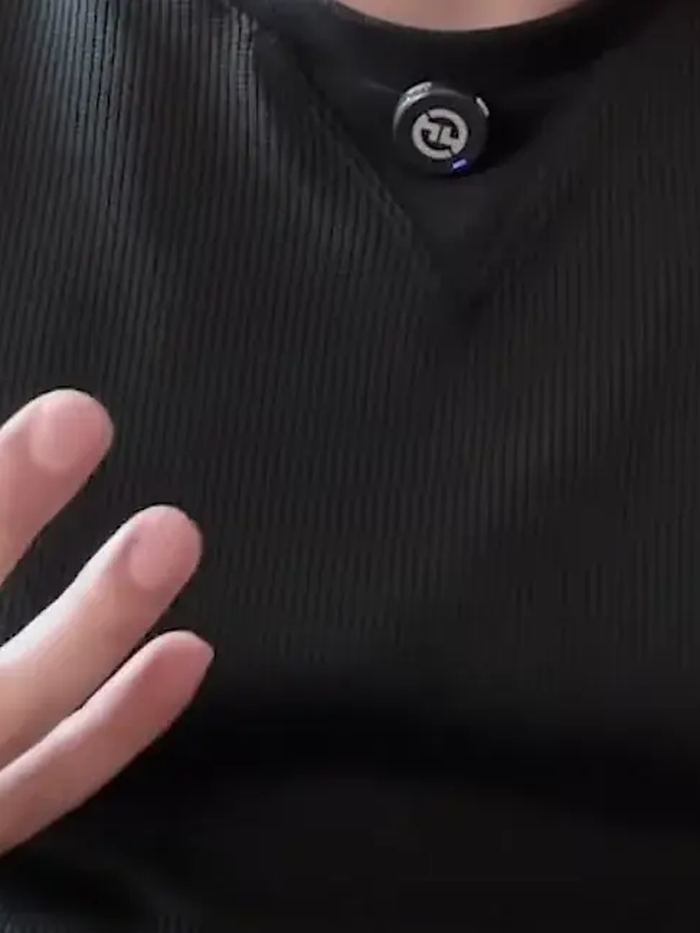
Let the hands open and breathe out slowly.
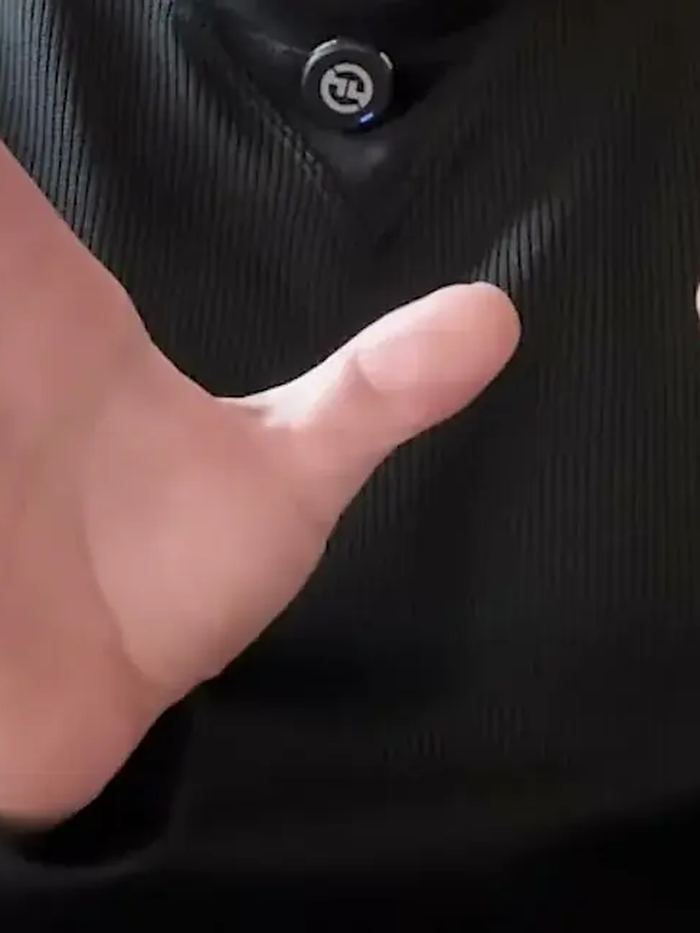
Face
Turn the palms to face each other.
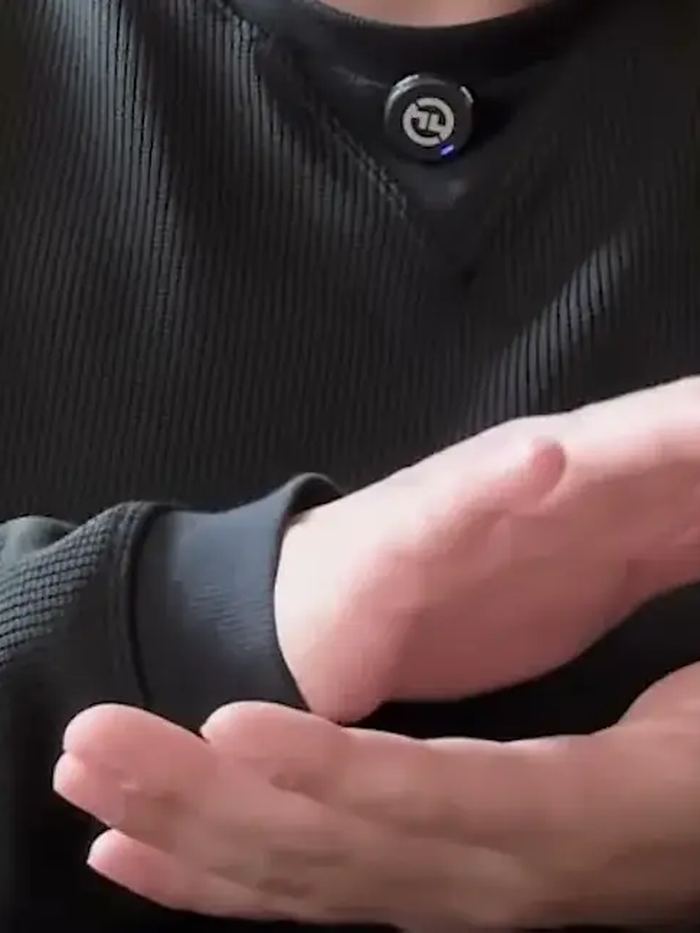
Feel
Bring them close until the ki ball appears.
KIKOU is a practice of breath and movement. It is not medical treatment.
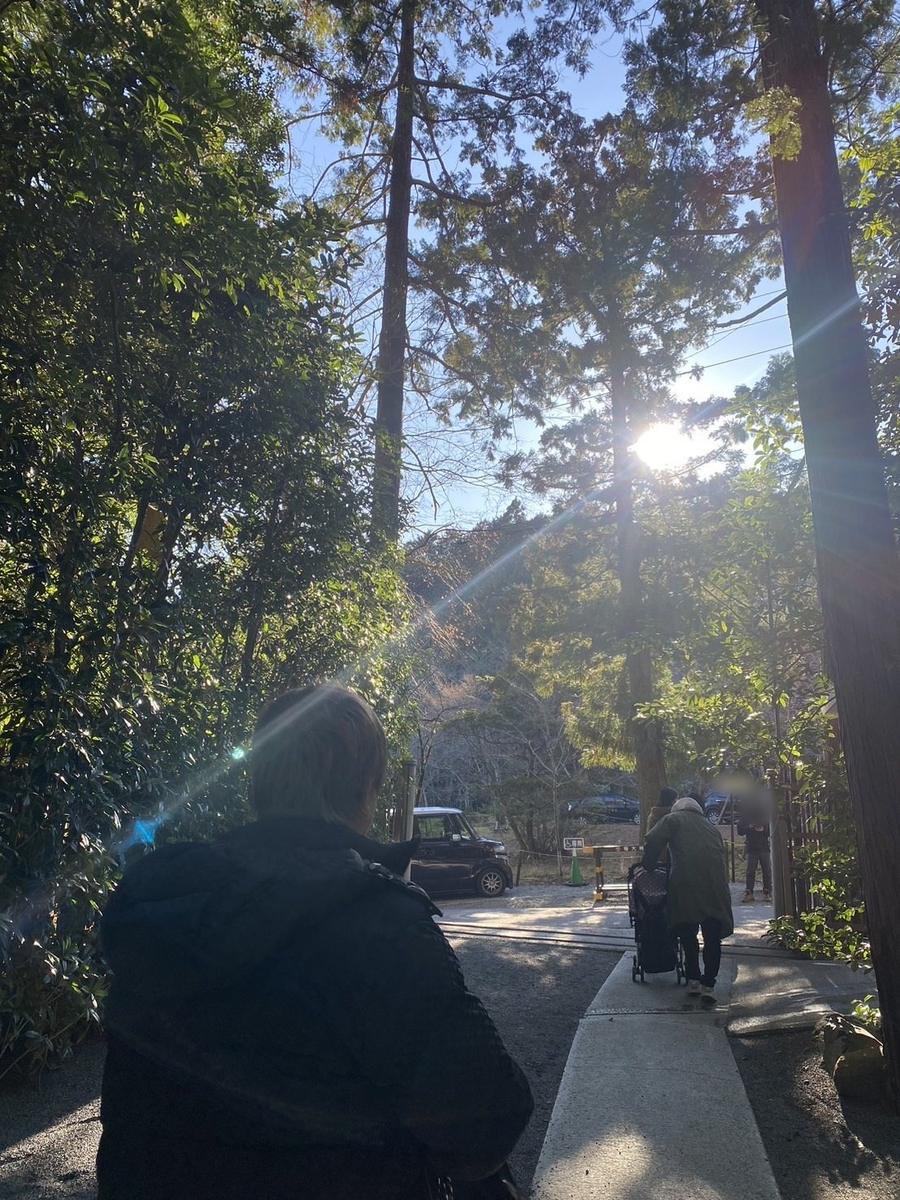
Shinkuu
KIKOU (ki & breath) teacher · Japan
Shinkuu teaches KIKOU in Japan through small classes, online lessons and a YouTube channel, with one aim above the rest: helping beginners feel ki for themselves, in their own hands, within a single session.
On the Senso-ji Ki & Breath Walk, Shinkuu leads the KIKOU class and the breathing pauses, and stays for tea to answer your questions.
本人のひとこと(英語に訳す元の言葉)はまだ無い。出る条件(毎回か・月に何回か)も未定。
Before you come
- About 1.8 km on foot at an easy pace, on paved streets, with stops.仮
- Wear comfortable clothes and walking shoes. Early mornings in winter are cold, so bring a warm layer.
- No experience needed, and no Japanese.
- Open to every faith and none. You visit as a respectful guest, and nobody is asked to pray.
- Bring a little cash in yen if you want a goshuin or an omamori.
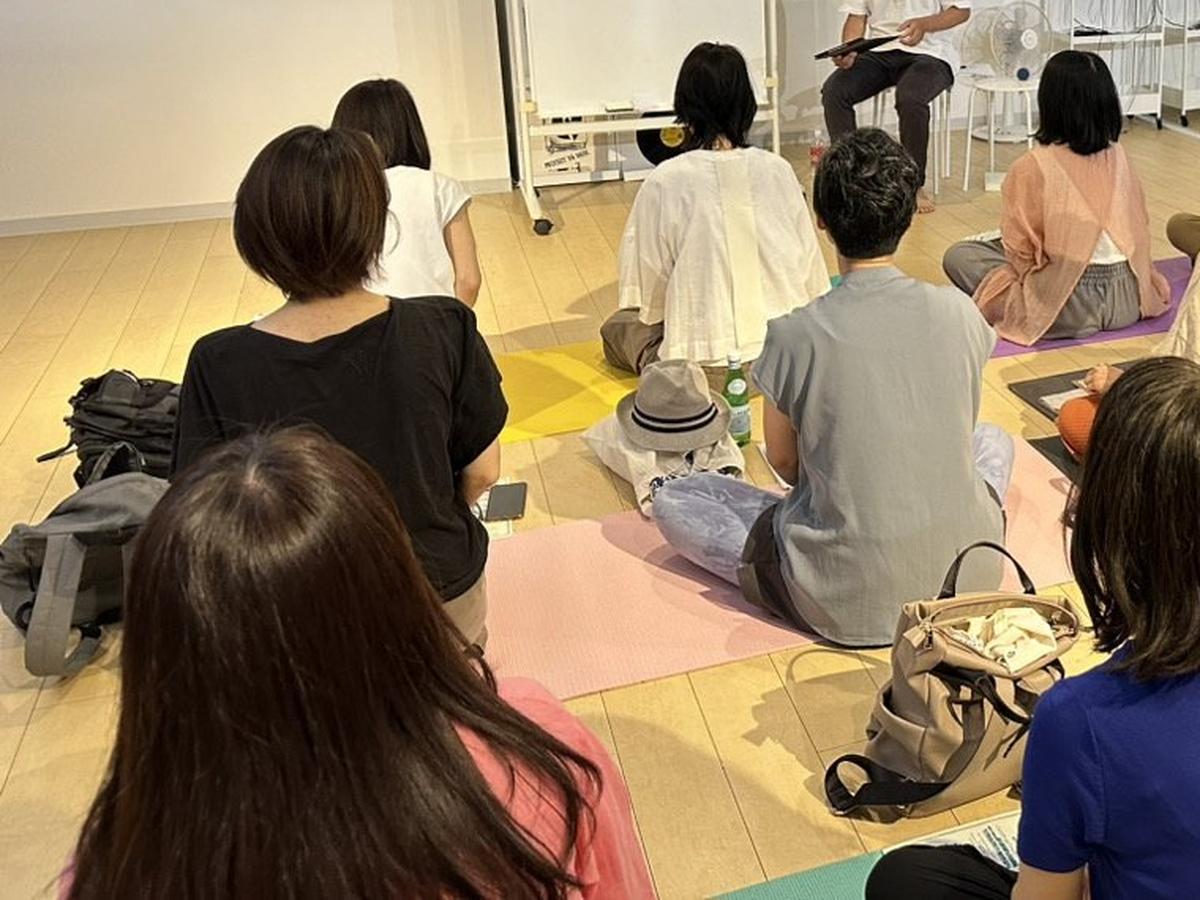
What to do, and what not to do, at a Japanese temple or shrine
You will practice each step with your guide on the day. Here is the short version.
Buddhist templeAt Senso-ji
Bow lightly at the gate. At the large incense burner, waft a little smoke toward yourself if you like. At the main hall, offer a coin, put your palms together and bow. Do not clap at a temple.
Shinto shrineAt Asakusa Shrine
Rinse your hands at the water basin, called chozuya. Walk to the side of the path, not the middle. At the hall, bow twice, clap twice, then bow once more.
Photos & dressQuiet and simple
Keep voices low and step aside for people who are praying. Do not take photos where signs say no, and never inside the halls during prayers. There is no dress code; plain, comfortable clothes are right.
Goshuin & omamoriStamps and charms
A goshuin is a temple or shrine seal written by hand in ink, a record of your visit. Ask politely, pay the small fee, and wait. An omamori is a protective charm; keep it with you and do not open it.
Questions from travelers
Can tourists get a goshuin at Senso-ji?
Yes. Visitors of any faith can receive a goshuin. On the walk your guide shows you where to receive one and how to ask. Opening hours and the fee are set by the temple and shrine.
How do I ask for a goshuin?
Open your goshuin book to a blank page, hand it over and say "goshuin, onegaishimasu" (a goshuin, please). Pay the fee in cash and wait while it is written. If you do not have a book, single sheets are usually available.
What should I not do at a shrine or temple?
Do not walk down the middle of a shrine path, do not clap at a temple, do not eat while walking through the grounds, and do not take photos where signs say no. Your guide will show you the right way on the day.
Is this a religious ceremony? I'm not religious.
No. You visit a temple and a shrine as a respectful guest, and KIKOU is taught as a practice of breath and movement. People of every faith and none are welcome, and nobody is asked to pray.
Is KIKOU the same as qigong?
Yes. KIKOU is how Japanese people say qigong. This class teaches it as a Japanese practice of ki and breath, with roots in Chinese tradition.
Is this a qigong class for beginners in Tokyo?
Yes. The KIKOU class is about 35 minutes, indoors, for complete beginners, and taught in English by teacher Shinkuu.
Do I need to speak Japanese?
No. The whole morning is held in English.
Do I need experience, or to be fit?
No experience is needed. The walk is about 1.8 km at an easy pace with several stops. If you have mobility needs, tell us when you book.
What should I wear?
Comfortable clothes you can move in, and shoes for walking. In winter, bring a warm layer for the early morning.
How do I get to the meeting point?
The meeting point is near Asakusa Station, served by the Tokyo Metro Ginza Line, the Toei Asakusa Line and the Tobu Skytree Line. The exact spot is sent with your booking confirmation.仮
What if it rains?
You will get an email the evening before with the plan for the weather.仮・決まりは未定
Can I cancel?
The cancellation policy is shown on the booking page before you pay.仮・決まりは未定
How much is it in my currency?
¥9,800 is about US$65 at 150 yen to the dollar, tax included. Your card company sets the exact rate on the day.仮
Is KIKOU a medical treatment?
No. KIKOU is a practice of breath, posture and movement. It is not a substitute for medical care.
Can my hotel or travel company book for me?
Yes. Hotels, guides and travel companies can book for their guests. See the section for travel partners below.
Mornings in Asakusa
The first mornings will be listed here with a link to book.
日付と予約のリンクはまだ無い(予約と支払いの受付も未作成)。最初の3枠を決めてから入れる。
For guides, hotels and travel companies
Add a quiet morning to your guests' Tokyo stay. The Senso-ji Ki & Breath Walk is small, held in English, and ends before a full day of sightseeing.
Request partner detailscontact@senbatsu.co.jp
問い合わせの宛先は仮(センバツの代表メールを仮に入れている)。
- Your own booking link or QR code, so every guest you send is tracked and credited to you
- A commission on each booking率は未定
- Private mornings for your groups, and sessions at your hotel
- A trial session for your team
- Approved photos and text for your own pagesまだ無い
- A certificate of liability insuranceまだ無い
Notation under the Act on Specified Commercial Transactions
- Seller
- Senbatsu Inc. (株式会社センバツ)
- Representative
- 上田 真司
- Address
- Sun World Bldg. 4F, 1-6-2 Kitahorie, Nishi-ku, Osaka 550-0014, Japan
- Phone
- 未記入(センバツのページでも未記入)要記入
- contact@senbatsu.co.jp
- Price
- ¥9,800 per person, tax included仮
- Other costs
- Travel to and from the meeting point; optional goshuin and omamori fees paid at the temple or shrine
- Payment
- Credit card on the booking page仮・まだ無い
- Date of service
- The morning chosen at booking
- Cancellation and refunds
- Shown on the booking page before payment決まりは未定
- Teacher
- Shinkuu, KIKOU (ki & breath) teacher